Hope Thoughts from The Old Man of The Sea of ________Life
 FOR CURRENT THOUGHT
|
Hope Thoughts from The Old Man of The Sea of ________Life |
||
|
|
|
The who of man
Behind this helm of life I stand, Whether seas be calm or rough
,
Think of rough times as an exercise
in This is the WHO of man. |
 |
||
| FOR CURRENT THOUGHT |
|||
|
|
|
|
|
|
Stop to Smell The Roses I have
never claimed to have an original thought, To some
they have no value Deut. 30. 19
: I set before you, life and death. Example: To Quote the words of a
poet: It’s the
heart, afraid of breaking When the
night has been too lonely |
|
|
|
|
|
|
|
|
|
|
|
|
|
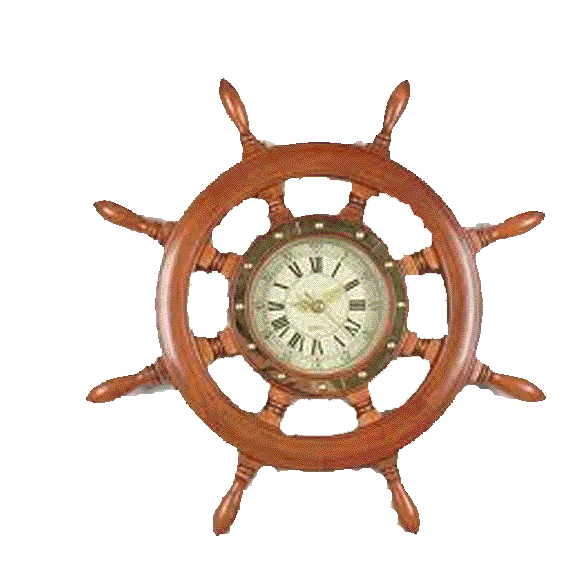
The Clock of life is wound but once To know just when the hands will
stop, |
|
|
|
|
|
|
|
|
|
|
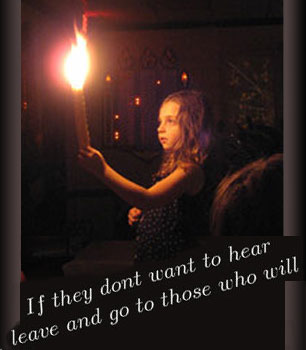
If you are the only one with a candle, |
|
|
|
|
|
|
|
|
I can just put in anything I wanted you here for test |
|
||
|
|
|
|
|
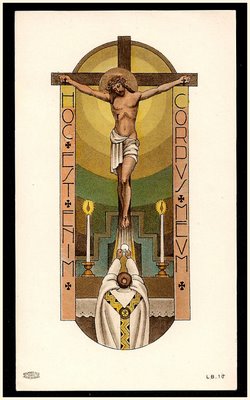
This glorious rite of the Sacrifice of the Mass is an unfailing mine of religious instruction and edification; it is like an immensely rich mine, where always new gold veins are disclosed to the searching look. Even if we were to devote our entire life to considering in our meditations and prayers the mystical liturgy of the Mass, there would still remain for our heart and mind new treasures, still new riches would reveal themselves and new beauties would be disclosed. And yet though it be so deep and impenetrable as to prove inexhaustible to even the greatest contemplative saint, it is, at the same time, so clear and easy of comprehension, that the most artless child as well as the most simple of the faithful finds therein light, incentive, strength and nourishment for his religious life. But is this precious liturgical treasure valued and turned to good account, as it deserves to be, by the ministers of the Church, in other words, do they study it for their own sanctification and make it available to the faithful in the school, in catechetical instructions and sermons?" |
|
||
|
|
|
|
|
This glorious rite of the Sacrifice of the Mass is an unfailing mine of religious instruction and edification; it is like an immensely rich mine, where always new gold veins are disclosed to the searching look. Even if we were to devote our entire life to considering in our meditations and prayers the mystical liturgy of the Mass, there would still remain for our heart and mind new treasures, still new riches would reveal themselves and new beauties would be disclosed. And yet though it be so deep and impenetrable as to prove inexhaustible to even the greatest contemplative saint, it is, at the same time, so clear and easy of comprehension, that the most artless child as well as the most simple of the faithful finds therein light, incentive, strength and nourishment for his religious life. But is this precious liturgical treasure valued and turned to good account, as it deserves to be, by the ministers of the Church, in other words, do they study it for their own sanctification and make it available to the faithful in the school, in catechetical instructions and sermons?" |
|
||
|
|
|
|
|
This glorious rite of the Sacrifice of the Mass is an unfailing mine of religious instruction and edification; it is like an immensely rich mine, where always new gold veins are disclosed to the searching look. Even if we were to devote our entire life to considering in our meditations and prayers the mystical liturgy of the Mass, there would still remain for our heart and mind new treasures, still new riches would reveal themselves and new beauties would be disclosed. And yet though it be so deep and impenetrable as to prove inexhaustible to even the greatest contemplative saint, it is, at the same time, so clear and easy of comprehension, that the most artless child as well as the most simple of the faithful finds therein light, incentive, strength and nourishment for his religious life. But is this precious liturgical treasure valued and turned to good account, as it deserves to be, by the ministers of the Church, in other words, do they study it for their own sanctification and make it available to the faithful in the school, in catechetical instructions and sermons?" |
|
||
|
|
|
|
|
This glorious rite of the Sacrifice of the Mass is an unfailing mine of religious instruction and edification; it is like an immensely rich mine, where always new gold veins are disclosed to the searching look. Even if we were to devote our entire life to considering in our meditations and prayers the mystical liturgy of the Mass, there would still remain for our heart and mind new treasures, still new riches would reveal themselves and new beauties would be disclosed. And yet though it be so deep and impenetrable as to prove inexhaustible to even the greatest contemplative saint, it is, at the same time, so clear and easy of comprehension, that the most artless child as well as the most simple of the faithful finds therein light, incentive, strength and nourishment for his religious life. But is this precious liturgical treasure valued and turned to good account, as it deserves to be, by the ministers of the Church, in other words, do they study it for their own sanctification and make it available to the faithful in the school, in catechetical instructions and sermons?" |
|
||
|
|
|
|
|
"The liturgy is a constant mysterious sermon, but it is by the mouth of the priest that the laity must learn to understand its language. |
|
||
|
|
|
|
|
"The liturgy is a constant mysterious sermon, but it is by the mouth of the priest that the laity must learn to understand its language. Without liturgical instruction the participation of the faithful in the functions of divine worship will be in many instances only external and mechanical. The mighty stream of the ecclesiastical year flows by, the faithful stand on its bank, they look on, and of its waters they receive but a few drops which the waves of themselves cast upon the shore" (Amberger). |
|
||
|
|
|
|
|
uniting indissolubly the churches dispersed all over the world, among themselves and with their common centre the Roman Church, the chief and Mother-Church of them all. The bond of a universal language of worship, which embraces the head and the members of the Church, supports and promotes everywhere the unity and the common life and operation of the Church. History confirms this; for it proves that a difference of liturgies, that is, the introduction of national languages into the liturgy, frequently gave or threatened to give rise to heresy and schism. We need only recall to mind the eastern nations, which, for the most part, have a ritual of their own and in the liturgy make use of a language different from the Latin. While, therefore, the use of the various national languages for divine service is peculiar to the sects and to national churches, the use of the Latin as the common language for divine worship harmonizes perfectly with the essence, the object and the workings of the Catholic Church. In her bosom we behold how the Holy Ghost has "gathered all the nations from out of the Babel of tongues into the unity of faith." Being formed of "all nations and tribes and peoples and tongues," she constitutes but one family of God, one kingdom of Christ, a kingdom not of this world, but exalted above every nation of the earth. Therefore, it is proper that the Church, when celebrating divine worship, when offering the divine Sacrifice, should make use not of the language of some one single country or nation, but of a language that is universal, consecrated and sanctified. Thus at the altar it is a figure of the heavenly Jerusalem, where all the angels and saints in unison (una voce) sing their "Holy, holy, holy" and Alleluia. |
|
||
|
|
|
|
|
Jesus Christ Himself offered the first Eucharistic Sacrifice in the Supper Room of Jerusalem, and this in close connection with the eating of the Paschal Lamb of the Old Testament. At the same time He ordered the celebration of this Sacrifice in His Church for all times, when He gave to the Apostles and their successors in the priestly office the command and the power to do the same as He had done. After the example and by the order of Christ, the Apostles celebrated everywhere on their missionary journeys the Eucharistic Sacrifice. In all probability they did not celebrate it for the first time previous to Whitsunday, but they most likely did so on that grand day, when the Holy Ghost descended on the infant Church; this view is made evident by the fact that the Holy Ghost performs forever the mystery of the Consecration as He once did the mystery of the Incarnation. Christ's example was the norm for the Apostles; at the celebration of the Sacrifice they did, first, only that which Christ had done before. According to His directions and under the inspiration of the Holy Ghost they observed other things besides, namely, according to circumstances of time and place, to the simple, essential act of sacrifice they added various prayers and observances, in order to celebrate the Holy Mysteries as worthily and as edifyingly as possible. |
|
||
|
|
|
|
|
|
|
|